
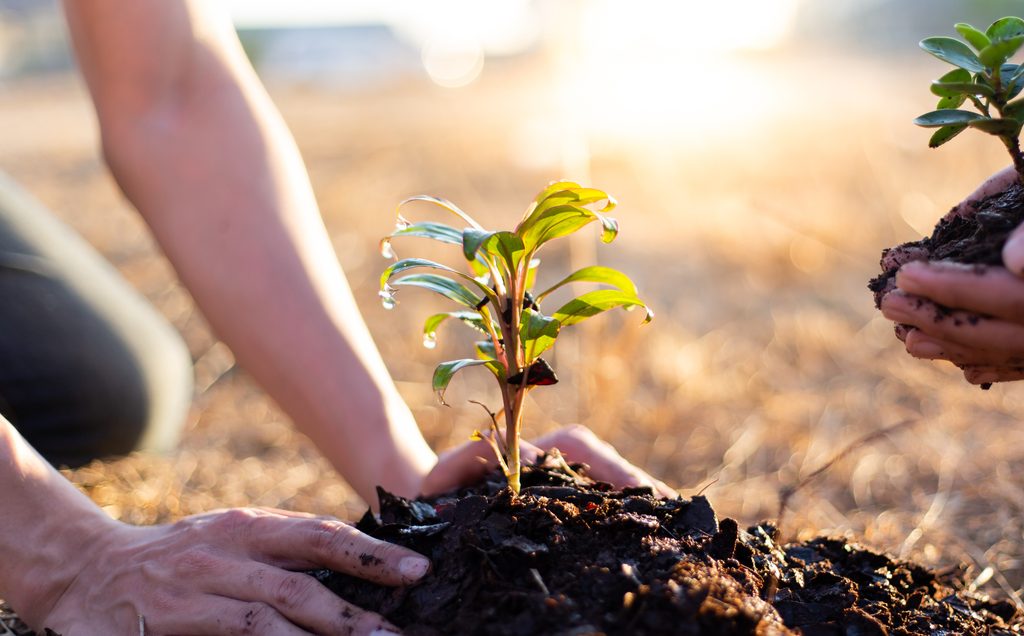
Fall is one of the most useful planting seasons for Arizona commercial landscapes. After months of extreme heat, cooler temperatures create better conditions for replacing damaged plants, improving high-visibility areas and completing planned landscape enhancements.
For property managers, planting in the fall can also give new trees and shrubs more time to establish before their first Arizona summer.
Cooler Weather Reduces Plant Stress
Planting requires a tree or shrub to adjust from a nursery container to the conditions of its new location. During this period, the plant must begin growing roots into the surrounding soil while adapting to different levels of sunlight, wind and moisture.
Extreme summer heat can make that transition more difficult. Newly installed plants lose water quickly and may struggle to establish roots while also managing intense sunlight and high temperatures.
Fall provides a more moderate environment. According to the Arizona Municipal Water Users Association, late September through early December is generally an excellent planting period because the soil remains warm enough to support root growth while cooler air reduces water demand and heat stress.
Roots Can Develop Before Summer Returns
A plant may look established above ground before its root system has expanded into the surrounding soil.
Installing trees and shrubs in the fall gives their roots several cooler months to develop before temperatures rise again. Stronger root establishment can help plants use water more effectively and better tolerate the demands of their first summer.
Fall planting does not eliminate the need for establishment care. New trees and shrubs require consistent monitoring and a watering schedule designed for their root balls. As roots expand, irrigation should gradually cover a wider area and become less frequent.
New plants should remain on an establishment schedule rather than immediately being placed on the same irrigation program as mature landscaping.
Fall Makes Summer Damage Easier to Evaluate
By October, it is usually clear which plants handled the summer successfully and which did not.
Trees and shrubs may decline because of:
- Inadequate or excessive irrigation
- Poor drainage
- Incompatible sun exposure
- Reflected heat from pavement or buildings
- Limited rooting space
- Soil compaction or caliche
- Improper plant selection
- Pest, disease or storm damage
Replacing a struggling plant with the same species without identifying the cause may lead to the same result. Before planting, determine whether the site, irrigation or original plant choice contributed to the decline.
A fall landscape assessment can help property managers prioritize replacements and choose plants better suited to each area.
The Right Plant Still Matters
Good timing cannot compensate for poor plant selection.
Trees and shrubs should be selected according to their mature size, water requirements, sun exposure and available space. On commercial properties, plant placement should also account for visibility around signs, pedestrian clearance, parking areas, buildings, utilities and irrigation infrastructure.
Native and desert-adapted plants can provide color, shade and structure while supporting water-conscious landscape goals. However, drought tolerance does not mean a new plant can survive without regular establishment watering.
Plant selection should also reflect local microclimates. A protected courtyard, west-facing parking lot and open turf area can experience very different heat, wind and frost conditions even on the same property.
Proper Installation Supports Long-Term Performance
How a tree or shrub is planted can affect its health for years.
The University of Arizona Cooperative Extension recommends digging a wide planting area no deeper than the prepared root ball. The top of the root ball should remain level with or slightly above the surrounding grade.
The planting hole should be backfilled with native soil rather than heavily amended soil. Drainage should be evaluated in compacted, shallow or clay-heavy areas, and circling or matted roots should be corrected before installation.
Mulch can help moderate soil temperature and retain moisture, but it should be kept away from the trunk. Trees should only be staked when support is necessary, and stakes and ties should be monitored and removed after establishment.
Use Fall to Make Strategic Improvements
Not every plant replacement needs to be part of a complete landscape renovation. Targeting entrances, monument signs, walkways and other visible areas can improve the property while keeping the project focused.
Fall is also a good time to coordinate plant replacements with irrigation repairs, drainage corrections or water-efficiency improvements. Addressing these systems together gives new trees and shrubs a better chance of succeeding.
Santa Rita Landscaping can help evaluate plant performance, site conditions and irrigation needs before recommending fall improvements for your Arizona property.
Contact us today to discuss tree and shrub planting for your commercial landscape.