
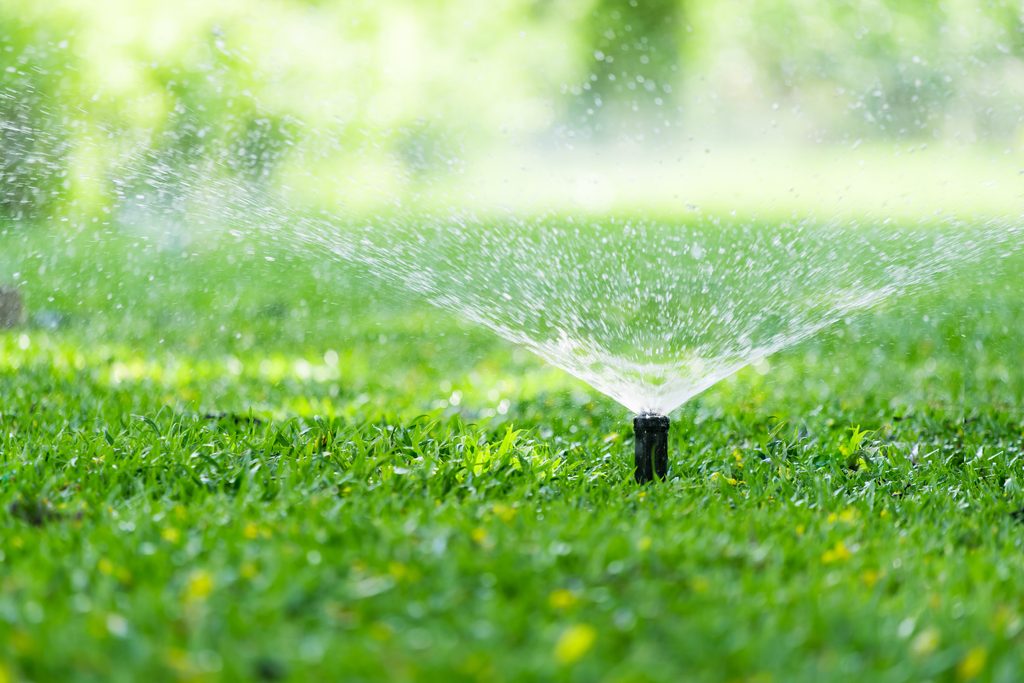
Fall irrigation adjustments for Arizona commercial landscapes require more than reducing every controller by the same percentage. Temperatures may begin to moderate in October, but turf, trees, shrubs and new plantings do not all respond to the seasonal change at the same rate.
A thoughtful transition can reduce water waste while continuing to support plant health across the property.
Do Not Reduce Irrigation Too Early
Arizona can remain hot well into fall. Although shorter days and cooler nights gradually reduce water demand, established plants may still need regular irrigation during warm, dry periods.
Reducing schedules too early can place unnecessary stress on turf and plants that are still actively growing. Instead, adjust irrigation according to current weather, soil moisture and plant response.
Changes should usually be made gradually. Continue monitoring the landscape after each adjustment for wilting, dry soil, runoff or areas that remain wet for too long.
Inspect the System Before Changing the Schedule
Fall is a good time to inspect the irrigation system for problems that may have developed during summer and monsoon season.
Check for:
- Broken or tilted sprinkler heads
- Clogged or missing drip emitters
- Leaking valves or irrigation lines
- Uneven turf coverage
- Overspray onto sidewalks and parking areas
- Water running into streets or drains
- Controllers that were not adjusted after storms
- Areas that remain wet long after irrigation ends
A controller adjustment cannot correct damaged equipment or poor coverage. Reducing the schedule when part of the system is already underperforming may make dry areas worse while leaving overwatered sections unchanged.
Manage Turf According to the Fall Plan
Commercial turf requires different irrigation adjustments depending on whether it will be overseeded or allowed to enter dormancy.
Bermudagrass may remain active through early fall, so irrigation should continue as needed until growth and water demand decline. Properties that do not overseed can gradually reduce irrigation as the turf enters dormancy. Dormant bermudagrass may still need occasional water during extended dry periods, but it generally requires far less than actively growing turf.
Properties that overseed with winter ryegrass temporarily need several short irrigation cycles each day during germination. These cycles should keep the seed moist without creating puddles, overspray or runoff. Once the ryegrass is established, watering frequency should be reduced gradually.
Overseeding every turf area may not be necessary. Property managers can evaluate which lawns provide recreational, event or other functional value and which areas could remain dormant to conserve water.
Separate the Needs of Trees and Shrubs
Trees and shrubs should not automatically follow the same schedule as turf.
Established woody plants generally benefit from deeper, less frequent watering that reaches the root zone. Short turf cycles may only wet the soil surface and fail to provide enough moisture for tree roots. This becomes especially important when bermudagrass irrigation is reduced for dormancy.
Inspect emitters around trees and shrubs, confirm that water is reaching the appropriate depth and expand irrigation coverage as root systems grow. Mature trees may have roots extending well beyond the original planting area.
New trees and shrubs need a separate establishment schedule. Even when surrounding plants require less water in cooler weather, a recently installed plant can dry out because its roots are still concentrated within the original root ball.
Use Weather and Soil Conditions to Guide Adjustments
A fall storm does not always replace scheduled irrigation. Rainfall may be uneven, brief or unable to reach the full root zone.
Check soil moisture before skipping a scheduled watering. A soil probe or long screwdriver can help determine whether moisture has reached the intended depth. The soil surface may look dry while the root zone remains moist—or appear wet while deeper soil stays dry.
For slopes or compacted soil, cycle-and-soak irrigation can help. Dividing one watering period into shorter cycles gives water time to soak into the soil and can reduce runoff.
Account for Current Water Requirements
Water conservation remains an important consideration for Arizona properties. Tucson Water is operating under Tier 2 of its drought plan, while Phoenix has a Stage 1 Water Alert in effect.
Requirements can vary by municipality, water provider and customer classification. Property managers should confirm the rules for each site and respond promptly to leaks, runoff and other forms of water waste.
Continue Monitoring Through the Season
One controller change is rarely enough for the entire fall. Temperatures, rainfall and plant activity continue to change from October into winter.
Regular inspections make it possible to adjust schedules before excess water creates weeds, root problems or unnecessary costs—and before insufficient water causes plant stress.
Santa Rita Landscaping can help evaluate irrigation coverage, controller programming and seasonal water needs across your commercial property. Contact us today to schedule a fall irrigation assessment.